DUNN ORTHO Accessibility Statement

DUNN ORTHO is committed to facilitating the accessibility and usability of its website, dunnortho.net, for everyone. DUNN ORTHO aims to comply with all applicable standards, including the World Wide Web Consortium's Web Content Accessibility Guidelines 2.0 up to Level AA (WCAG 2.0 AA). DUNN ORTHO is proud of the efforts that we have completed and that are in-progress to ensure that our website is accessible to everyone.

If you experience any difficulty in accessing any part of this website, please feel free to call us at (651) 738-3866 or email us at [email protected] and we will work with you to provide the information or service you seek through an alternate communication method that is accessible for you consistent with applicable law (for example, through telephone support).

Our Blog

najlepsze europejskie kasyna online real money casino online casinos online autorizados em portugal mobile casino games you can pay by phone bill transferencia casino online paypal kaszinók gigadat gambling casino paysafecard pagamento casino mit lastschrift einzahlung ecopayz casino polskie kasyno online legalne kasyno wpłata sms casino muchbetter paysafecard casino bonus paysafecard online casino bonus casino bitcoin crypto österreich jogos casino online ganhar dinheiro casino online magyarul paysafecard kaszinó online casinos that accept neosurf casino med neteller najlepsze polskie kasyno online casino gigadat paysafecard casinoer online casino ohne österreichische lizenz online casino seiten a1 casino legjobb online casino top paying online casino bonusy kasyno casino auf rechnung mobilos kaszino transferencia casino portugal MiFinity kasyno kaszinó gyors kifizetéseket iphone online casino eps casinos casino online pagamento skrill online casino canada kasyna bez rejestracji ipad casino bonus zagraniczne kasyna online casino no kyc online casino amazon pay revolut casino no wagering no deposit bonus canada legale zimpler casinos novo casino portugal casino betalingsmetoder crypto casino danmark casinos online skrill

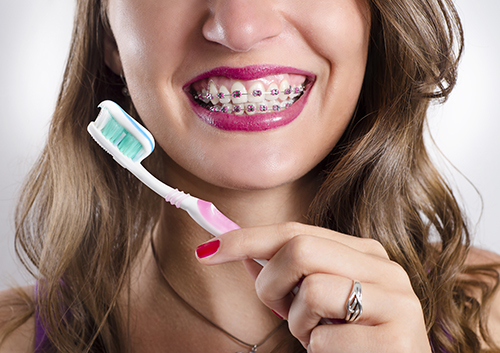
Brushing with Braces: How to Keep a Clean Mouth

December 23rd, 2020

A clean mouth is a happy mouth. And when Dr. Curtis Dunn and our staff see you have a clean mouth, we are happy too. Of course, all of this should make you happy because you’re the one preventing sneaky little food bits from getting trapped under the wires of your braces.

Still, you need to be thorough with your brushing. When you have braces, you’re playing a game of hide-and-go-seek with everything you eat. Here are five tips to keep your mouth (and us) happy.

  1. How is brushing with braces like geometry? It’s all about the angles. Brush the tops of your teeth and braces with your brush angled down. Brush the bottom of your teeth with the brush angled up. Pointy brushes, aka interproximal brushes, are good for reaching the tiny spots around braces.
  2. Brush after every meal. If those sneaky little food bits hide in your mouth for very long, they’ll turn into plaque. And plaque is a sign of a very unhappy mouth.
  3. Brush one tooth at a time for at least ten seconds, and pay close attention to the spots where your braces touch your teeth.
  4. Fluoride is your new BFF. Make sure your toothpaste and mouthwash contain this cavity-fighting ingredient.
  5. Braces are no excuse not to floss. In fact, saying you can’t floss because you have braces is like saying the dog ate your homework. Dr. Curtis Dunn and our staff, like your geometry teacher, aren’t going to buy it. Be sure to floss after every meal.

The Best Brush of the Day

December 16th, 2020

Imagine that you’re only going to brush your teeth once tomorrow. Don’t worry, we know you would never skimp on your dental hygiene like that, but let’s just pretend for a moment. When would be the best time to brush? When you wake up? During the day? Or perhaps before you go to bed?

Actually, whenever you choose to brush, you’ll receive important overall dental benefits as well as specific benefits tied to the time of day. Let’s explore your daily schedule to see why.

Brushing in the Morning

Brushing when you first jump out of bed produces several positive results.

  • Cleaning plaque from your teeth

Plaque is a sticky film made up of oral bacteria, food particles, and saliva. As you sleep, these oral bacteria multiply and produce acids which attack the minerals in your enamel, leaving weak spots which, over time, can become cavities. Brushing removes these bacteria and acids from your enamel before they cause serious harm.

Moreover, plaque hardens if it’s left undisturbed, turning into tartar in a relatively short time. And once plaque becomes tartar, it must be removed by a dental professional. Brushing first thing in the morning removes this plaque buildup and helps prevent tartar from forming.

  • Fresh breath

That bacterial growth we mentioned? It’s also responsible for morning breath. If nothing else, brushing when you wake up means greeting a fresh day with fresh breath, and that’s reason enough to pick up your brush in the morning.

Brushing During the Day

Brushing after meals and snacks also has a lot to recommend it.

  • “Leftovers” lead to cavities

Foods, especially foods rich in sugar and carbohydrates, are converted by oral bacteria into acids which weaken enamel and lead to cavities. When food particles remain in the mouth after a meal, bacteria have more time and more fuel to manufacture these acids.

  • Acidic foods also affect your teeth

If you have eaten something acidic, such as citrus fruits, sodas, or pickled anything, the acids from these foods can temporarily weaken the mineral strength of your enamel. But brushing immediately after eating or drinking acidic foods can damage weakened enamel. Better to rinse well with water and brush after half an hour or so.

  • When you wear braces

One of the first things you discover when you get your braces is that you might need to brush more often. In fact, it’s best to brush after every meal and even every snack while you’re in braces.

Why? First, because no one wants to smile with food particles sticking to brackets and wires. Even more important, though, the filmy plaque which sticks to your enamel can be harder to remove with those brackets and wires in the way. Since plaque causes weakened enamel and cavities, brushing thoroughly is more important than ever when you wear braces.

  • When you wear aligners

Wearing clear aligners means you don’t need to worry about food trapped in brackets or cleaning around wires. After all, you take them out when you eat. But this doesn’t mean you are home free. Brushing after every meal is also a good idea when you wear aligners.

Our teeth have an organic way to help wash away food particles, acids, and bacteria between brushings—saliva! Your aligners, while covering your teeth, decrease their exposure to saliva. It’s really important, then, to make sure you brush after eating. Otherwise, food particles and acids which remain on your teeth after eating are trapped in your aligners, increasing the risk of enamel erosion and decay.

Whether you wear braces or aligners, you’re especially at risk for food particles sticking around your teeth and in your orthodontic appliances. Talk to Dr. Curtis Dunn about when to brush your teeth after eating and how to keep your braces or aligners clean throughout the day.

Brushing at Night

Growing up, you probably received regular reminders to brush before bedtime—for several really good reasons:

  • Saliva production slows while you sleep

During the day, saliva helps to wash away food particles and neutralize acidity in our mouths. It also contains proteins and minerals which help keep tooth enamel strong. But as we sleep, saliva production slows dramatically, and our bodies can’t remove bacteria and acids as effectively.

  • Food particles fuel bacterial growth

If you haven’t brushed since morning, you’ve accumulated a whole day’s worth of food particles from meals and snacks. Remember, oral bacteria use the sugars and carbs we eat as fuel to produce the acids which attack our tooth enamel throughout the night.

  • Brushing helps prevent both of these problems

Brushing your teeth before bed not only cleans away the accumulated food particles of the day, but also eliminates the plaque and bacteria which would have a much easier time sticking to your teeth without that daytime saliva flow to wash them away.

So, When’s the Best Time to Brush?

In the morning, during the day, at night—there are solid advantages to brushing any time of day. The question isn’t so much when to brush as how often you should brush.

While many dental professionals consider brushing before bedtime as the most important brush of the day, brushing at least two full minutes, at least twice during a 24 hour period, is a necessity for basic dental hygiene, along with flossing at least once a day.

When you’ve been eating sugary snacks, when you’re showing signs of gingivitis or getting more than your share of cavities, when you want to reduce the chance of plaque and tartar buildup, or when you simply want to make sure you’re doing everything you can to maintain your overall dental health, brushing after meals is also highly recommended.

And when you wear braces or aligners, frequent brushing (and flossing) is the very best way to make sure your teeth stay clean and cavity-free.

Talk to Dr. Curtis Dunn about your brushing habits at your next appointment at our Woodbury or Cottage Grove office. No need to use your imagination to plan your best brushing schedule. We have all the answers you need to help you brush your way to your best—and healthiest—smile!

Does my child need two-phase treatment?

December 9th, 2020

You might be surprised to see one of your second grader’s friends with a dental appliance. Isn’t orthodontic work just for teenagers? And, if not, should your seven-year-old be sporting braces right now? The answer to both of those questions is “Not necessarily.” Two-phase treatment is a process designed to correct issues that arise during different times in your child’s life.

First Phase Treatment

We recommend that every child have an orthodontic evaluation around the age of seven to determine if there is a problem that would benefit from early treatment. First phase orthodontics is not the same as orthodontics for older patients. The focus here is on the developing bone and muscle structures which form your child’s bite and provide space for the permanent teeth when they arrive.

There are some clear-cut orthodontic goals that are much easier to attain when children’s bones are still growing.

  • Reducing Crowding

If your child’s mouth is small, the permanent teeth will have little room to fit in when they arrive. We may recommend gently enlarging the upper dental arch with the use of a palatal expander. This device will provide room for the adult teeth, and could potentially shorten second phase treatment time. Sometimes the extractions necessary to create more room for permanent teeth in later years can be avoided, as well as the possibility of an impacted tooth—one which doesn’t erupt because it is blocked by other teeth.

  • Dealing with Jaw and Bite Concerns

Bones and muscles do not always develop properly, leading to problems with jaw and facial structure. Your younger child still has growing bones, so this is a great time to gently re-form the jaw into a healthy shape. Problems caused by crossbites, underbites, open bites, and other malocclusions can be reduced with early treatment.  

  • Protecting Teeth

If your child has protruding front teeth, these teeth are more likely to be damaged in falls, at play, or while participating in sports. We can gently reposition them.

Second Phase Treatment

Second phase treatment is designed for your older child. After a resting period, when the permanent teeth finish erupting, we should see your child to evaluate any further orthodontic needs. This is the time to finish the process of straightening the teeth and making sure that each tooth fits together properly for a comfortable and healthy bite. This phase usually makes use of braces or aligners, and can take approximately 12-24 months.

Two-phase treatment is not necessary for every child. But there are some unique reasons that early orthodontics might be recommended for your child, even if it’s clear that more orthodontic work will be needed later. Make an appointment with Dr. Curtis Dunn at our Woodbury or Cottage Grove office, and let’s evaluate your child’s orthodontic needs, whether now or in the future, for a lifetime of beautiful smiles.

‘Tis the Season—for Healthy Dental Choices!

December 2nd, 2020

It might be the most wonderful time of the year, but if you’re dashing through the snow to an emergency orthodontic appointment, you’re not feeling very jolly. And post-holiday, no one wants to start off their New Year’s Resolutions with “Get Cavities Filled.” How to survive the sweetest of seasons with braces and enamel intact?

Candies and sweets would normally be on the naughty list, but we’re not Scrooges! Indulging in a treat or two is part of the holiday fun, and we have some advice for how to enjoy them guilt-free. But first, some treats are definitely more naughty than nice. Which are the ones that are better as decorations than desserts?

  • Candy Canes

If you’ve ever suffered a broken bracket or a chipped tooth after an innocently biting down on a much-harder-than-expected piece of candy, you know that caution is in order. That’s why we tend to savor candy canes, letting them dissolve slowly in the mouth. Of course, the drawback to this strategy is that now we’re slowly bathing our teeth in sugar, encouraging the growth of plaque and cavity-causing bacteria.

Candy canes, peppermints, and other hard candies are potentially bad for your teeth and braces when you crunch away, and definitely bad for your teeth if you let them dissolve slowly.

  • Gumdrops

Glistening, colorful gumdrops. Roofing your gingerbread house, trimming a gumdrop tree, or simply sitting in a bowl, they are one of the sweetest ways to decorate for the holidays.  And when we say “sweet,” we mean that literally. Most gumdrops are basically made of corn syrup and sugar—and then rolled in more sugar.

But their sugar content isn’t the only problem. This is sugar in an extra-gummy form that sticks between our teeth and along our gums, and gets caught around brackets and wires.

  • Toffees, Caramels, Taffy

They might come in lovely ribboned boxes, but these extremely sticky foods are not a gift to your teeth.

Not only do chewy candies stick to enamel, they stick to fillings, crowns (especially temporary crowns), and orthodontic wires and brackets. No one wants an unexpected trip to the dentist or orthodontist because dental work has been damaged or dislodged!

  • Gingerbread Houses

Nothing says the holidays like a gingerbread house—chewy, sticky gingerbread covered with hard sugar icing, gumdrops, and peppermints. Great for your décor; not so great for your dental health. Eat one gingerbread man if you’re in a spicy mood and leave your architectural masterpiece intact.

Well, this list wasn’t very jolly. So as a little holiday gift for you, here are some suggestions to help you enjoy your desserts in the healthiest way possible.

  • Be choosy.

Just like you search for the perfect presents for your family and friends, take the time to choose the perfect holiday treats for yourself. If you are wear braces, or are worried about cavities, or are just generally concerned with your oral health, stay away from sticky, hard, and excessively sugary desserts.

What can you accept from your holiday hosts with a grateful (and relieved) smile? The occasional soft chocolate should be nothing to stress about—and if you make it dark chocolate, you’ll actually get nutritional bonuses like magnesium and antioxidants. Soft cakes, cupcakes, cookies, and pies should be braces-friendly—yes, they are made with lots of sugar, but it is the holidays after all. Just be sure to follow our next suggestions to make that slice of cheesecake guilt-free.

  • Eat sweets with a meal.

Saliva does more than keep our mouths from getting dry. It also helps prevent cavities by washing away food particles and neutralizing the acids from food and bacteria which damage enamel.

Eat dessert with a meal, and you benefit from increased mealtime saliva production. When you snack throughout the day, this acid-neutralizing ability is greatly reduced.

  • Rinse after eating.

Rinsing your mouth with water after a meal or a snack, especially a sugary one, also helps wash away the sugars and carbs which oral bacteria convert into cavity-causing acids.

  • Brush immediately. (Maybe.)

If you wear braces, you want to make sure there are no food particles stuck around your brackets and wires. If you wear aligners, you want to get rid of food particles on and around your teeth before you replace your aligners after eating.

But if you’ve eaten acidic foods like citrus or colas, the acids in the food can weaken your enamel just enough to cause some potential enamel damage if you scour your teeth immediately after eating. We often recommend waiting about 30 minutes to brush to give your enamel a chance to recover.

Since every mouth is different, especially when you wear braces, talk to Dr. Curtis Dunn for the best times and methods for holiday brushing.

You don’t want to ho-ho-hope that we can fit you in at our Woodbury or Cottage Grove office for a bracket repair. Make your holiday dessert list and check it twice, and make sure you’re brushing and flossing more often if you’re indulging in seasonal treats—give yourself these two gifts, and you’ll be ringing in the New Year with a beautiful, healthy smile. Sweet!

Contact Us!