DUNN ORTHO Accessibility Statement

DUNN ORTHO is committed to facilitating the accessibility and usability of its website, dunnortho.net, for everyone. DUNN ORTHO aims to comply with all applicable standards, including the World Wide Web Consortium's Web Content Accessibility Guidelines 2.0 up to Level AA (WCAG 2.0 AA). DUNN ORTHO is proud of the efforts that we have completed and that are in-progress to ensure that our website is accessible to everyone.

If you experience any difficulty in accessing any part of this website, please feel free to call us at (651) 738-3866 or email us at [email protected] and we will work with you to provide the information or service you seek through an alternate communication method that is accessible for you consistent with applicable law (for example, through telephone support).

Our Blog

najlepsze europejskie kasyna online real money casino online casinos online autorizados em portugal mobile casino games you can pay by phone bill transferencia casino online paypal kaszinók gigadat gambling casino paysafecard pagamento casino mit lastschrift einzahlung ecopayz casino polskie kasyno online legalne kasyno wpłata sms casino muchbetter paysafecard casino bonus paysafecard online casino bonus casino bitcoin crypto österreich jogos casino online ganhar dinheiro casino online magyarul paysafecard kaszinó online casinos that accept neosurf casino med neteller najlepsze polskie kasyno online casino gigadat paysafecard casinoer online casino ohne österreichische lizenz online casino seiten a1 casino legjobb online casino top paying online casino bonusy kasyno casino auf rechnung mobilos kaszino transferencia casino portugal MiFinity kasyno kaszinó gyors kifizetéseket iphone online casino eps casinos casino online pagamento skrill online casino canada kasyna bez rejestracji ipad casino bonus zagraniczne kasyna online casino no kyc online casino amazon pay revolut casino no wagering no deposit bonus canada legale zimpler casinos novo casino portugal casino betalingsmetoder crypto casino danmark casinos online skrill

Post-Braces Care: Wear your retainer!

January 29th, 2020

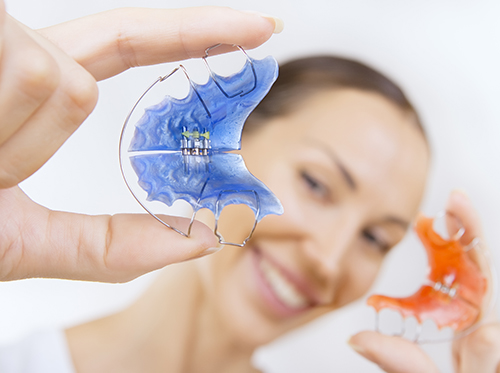
Many patients underestimate the importance of wearing their retainers after their braces come off, but it is one of the most critical post care practices to keep your teeth in alignment. Why spend all that time, energy, and money to straighten your teeth when you don’t plan to keep them straightened after treatment?

What is a retainer?

As the name implies, a retainer keeps teeth from moving back to the positions in which they started before treatment was administered; they “retain” your smile and bite. There are many different types of retainers—some are removable and some are permanent. Some retainers are made of plastic and metal (known as Hawley retainers) and others are all plastic or all metal. Some retainers can even be bonded to the back of your teeth!

How long do I need to wear it?

If you’ve been given a removable retainer by Dr. Curtis Dunn, you may be wondering how long you need to wear it. It takes time for the tissues and bones around your teeth to reorganize and set into place after braces treatment.

The amount of time you’ll need to wear your retainer depends on your unique situation, but typically, retainers should be worn at least as long as the time you spent in braces. You might need to wear them full-time for a while, and then transition to wearing them only at night. Dr. Curtis Dunn will have a treatment plan especially for you, and if you stick to it, you’ll always have a straight smile.

Nothing is forever (at least without retainers!)

Research has shown that there is no “permanent” position for your teeth to remain in. In fact, some studies say upward of 70% of patients will see a change to their bite and tooth alignment as they get older. This applies to people who have had orthodontic treatment and those who have not. Of course, some people’s teeth never seem to shift—you can consider them the lucky ones, as most people’s teeth do.

And this is precisely where retainers come in. The only way to ensure your teeth stay in alignment long-term is by wearing your retainers. If you have any questions about retainers or your treatment plan, please ask any member of our Woodbury or Cottage Grove staff.


Permanent or Removable Retainers: Which is right for you?

January 22nd, 2020

When the time comes for Dr. Curtis Dunn to remove your braces, it is very exciting. Unfortunately, it can be somewhat confusing, too, because you are faced with choosing between two kinds of retainers. Should you go with permanent, removable, or a combination of the two? It is always wise to follow Dunn Ortho recommendations, but knowing more about the two types of retainer beforehand can be helpful.

Removable Retainers

Removable retainers offer the advantage of easy use: you will generally put a removable retainer in at night and take it out in the morning. Regardless of your retainer schedule, you’ll be able to enjoy some time with no retainer. However, a removable retainer can easily be forgotten at times, and this means you won’t be taking full advantage of teeth retention.

Another potential advantage of a removable retainer is that you can take it out and brush and floss your teeth with ease, which is more of a challenge with a permanent retainer. Although removable retainers can be very effective, they don’t tend to be as effective as permanent retainers, especially if they are not used as directed.

Permanent Retainers

Permanent retainers are the clear choice for patients who want to “get it and forget it.” Once your permanent retainer is placed in your mouth, you won’t need to worry about daily retainer schedules, since it is permanently affixed to your teeth.

Because teeth begin to shift naturally as we age, a permanent retainer typically offers better long-term results for teeth straightening than a removable one. You can’t forget to put it in — it’s already there! Temporary retainers get lost or are forgotten on trips, and often fail to get used as often as they should be.

One drawback to permanent retainers is flossing. Some patients find it more difficult to floss with a permanent retainer, but we can show you effective ways to floss fairly quickly with your permanent retainer.

Some orthodontists may recommend a combination of the two; for example, a removable retainer for the top teeth and a permanent one for the lower ones because the lower teeth are smaller and tend to shift more.

Ultimately, the most important thing to remember is that wearing your retainer as directed is extremely important. As long as you follow our orthodontist’s advice, you will get the best results from your retainer, regardless of its type. If you’re still not sure whether the choice you’ve made is truly right for you, get in touch with us at our Woodbury or Cottage Grove location right away!

What causes crooked teeth?

January 15th, 2020

Crooked teeth, more correctly called malocclusions, have reached epidemic proportions in the late 20th and early 21st centuries. According to the American Association of Orthodontists, approximately 80 percent of American teenagers are currently undergoing orthodontic treatment. Although advances in orthodontic devices and increased availability of such devices explain part of this increase, it still means there are a lot of crooked teeth in the world.

The theories about what is causing so many crooked teeth range from the ridiculous to the scientific. For years, oral health professionals believed that crooked teeth were an evolutionary result of the change in Western diets from raw, wild foods to soft, processed foods. That theory has since been debunked.

The truth is that crooked teeth can be caused by a number of things. Crooked teeth can be an inherited trait. Parents with crooked teeth and malformed jaws are more likely to have children with malocclusions. Ill-fitting or poorly-executed dental restorations, such as fillings and crowns, can also cause teeth to become crooked. Baby teeth that fall out early, gingivitis, and even a jaw that is too small to accommodate all of a person’s adult teeth are additional causes of crooked teeth. In addition, thumb sucking and the use of a pacifier for too long can contribute to crooked teeth.

What to do about crooked teeth

Fortunately, modern orthodontics offers a number of solutions for crooked teeth. Traditional metal braces are the most popular, though our Woodbury or Cottage Grove office provides a number of clear, aesthetic options as well. If you’re tired of hiding your smile because of crooked teeth, contact Dr. Curtis Dunn and our team at Dunn Ortho and set up an appointment. We’ll have you showing off your straight pearly whites in no time!

Braces-Friendly Recipe: Breakfast

January 8th, 2020

Kids can be picky eaters. How many times have you seen your child try to hide the peas under a mound of mashed potatoes?

At Dunn Ortho, Dr. Curtis Dunn and our team understand how hard it can be to get your child to eat the recommended daily allowance of fruits and vegetables. The task of providing fun, nutritious meals becomes even more challenging if he or she wears braces. It’s an age-old saying that breakfast is the most important meal of the day. These five braces-friendly recipes are not only nutritious, but they will have little Jimmy flashing his “tin grin” when he sits down at the kitchen table in the morning.

  1. Scrambled eggs are soft and easy to eat if you have braces. If you drown them in ketchup (which many kids love to do), eggs become even mushier. Minimal chewing is required, and that’s the key to a braces-friendly recipe.
  2. A healthy breakfast provides energy and jump-starts metabolism. A smoothie is not only a good source of fruit, but it’s also gentle on braces. More importantly, smoothies are fun to create. You can toss anything in the blender (bananas, mangoes, strawberries, spinach) and create a drink that’s loaded with vitamins and antioxidants.
  3. If you wear braces, eating crunchy cereals or granola for breakfast is out of the question: Bite down the wrong way and you might snap the wires or dislodge the brackets. However, you can get your grains and oats by substituting oatmeal for cereal. This mushy breakfast treat has a host of health benefits.
  4. Pancakes are not the healthiest breakfast choice. Still, this Sunday morning favorite is braces-friendly. The idea is to make it healthier by hiding blueberries in the pancake batter just like your child hides peas in the mashed potatoes.
  5. Toast with jam is ok, but skip slathering peanut butter on the bread. If you have braces, the general rule of thumb is to steer clear of foods that are hard or chewy. These types of foods can break wires. Of course, most kids will agree that toast isn’t the most exciting breakfast recipe. Make it a Pop-Tart instead!

For more braces-friendly recipes, please give us a call at our convenient Woodbury or Cottage Grove office!

Contact Us!