najlepsze europejskie kasyna online real money casino online casinos online autorizados em portugal mobile casino games you can pay by phone bill transferencia casino online paypal kaszinók gigadat gambling casino paysafecard pagamento casino mit lastschrift einzahlung ecopayz casino polskie kasyno online legalne kasyno wpłata sms casino muchbetter paysafecard casino bonus paysafecard online casino bonus casino bitcoin crypto österreich jogos casino online ganhar dinheiro casino online magyarul paysafecard kaszinó online casinos that accept neosurf casino med neteller najlepsze polskie kasyno online casino gigadat paysafecard casinoer online casino ohne österreichische lizenz online casino seiten a1 casino legjobb online casino top paying online casino bonusy kasyno casino auf rechnung mobilos kaszino transferencia casino portugal MiFinity kasyno kaszinó gyors kifizetéseket iphone online casino eps casinos casino online pagamento skrill online casino canada kasyna bez rejestracji ipad casino bonus zagraniczne kasyna online casino no kyc online casino amazon pay revolut casino no wagering no deposit bonus canada legale zimpler casinos novo casino portugal casino betalingsmetoder crypto casino danmark casinos online skrill

Author Archives: Dunn Ortho

Do I really need to wear my rubber bands with my braces?

June 10th, 2020

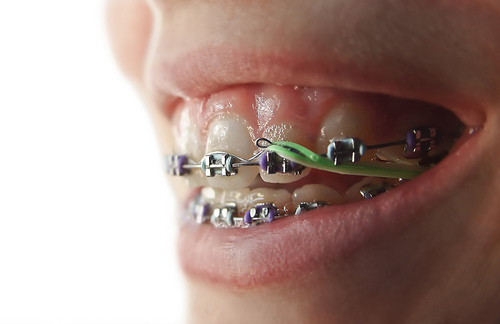
Most of our patients at Dunn Ortho will need to wear rubber bands at some point during their orthodontic treatment. The main reason our patients are instructed to wear rubber bands is to correct their bite. If your teeth do not fit together properly, Dr. Curtis Dunn will recommend that rubber bands be used. Dr. Curtis Dunn may also recommend using rubber bands to close or open spaces.

Rubber bands are a critical part of your treatment, and wearing them as Dr. Curtis Dunn and our team recommend will help move your teeth into the desired position. Dr. Curtis Dunn may ask you to wear your rubber bands full time, meaning that they should only be taken out when you brush and floss your teeth three times a day. Other times, you may be asked to only wear them part-time, like only during the day or only during sleep.

If you still have any questions about orthodontic rubber bands, we invite you to give us a call or ask us during your next adjustment appointment. Remember, wearing rubber bands as prescribed by Dr. Curtis Dunn is an important step during your treatment, and can reduce the time you have your braces. If you lose your rubber bands or run out, stop by our Woodbury or Cottage Grove office and pick up more!


Proper Diet while Undergoing Orthodontics

May 27th, 2020

Many people undergo orthodontic treatment during childhood, adolescence, and even into adulthood. Wearing orthodontic appliances like braces is sure to produce a beautiful smile. Though orthodontic treatments at Dunn Ortho are designed to accommodate your lifestyle, chances are you will need to make some dietary modifications to prevent damage to your braces and prolong orthodontic treatment.

The First Few Days with Braces

The first few days wearing braces may be the most restrictive. During this time, the adhesive is still curing, which means you will need to consume only soft foods. This probably will not be a problem, however, as your teeth may be tender or sensitive while adjusting to the appliances.

Orthodontic Dietary Restrictions

You can eat most foods normally the way you did without braces. However, some foods can damage orthodontic appliances or cause them to come loose. Examples of foods you will need to avoid include:

  • Chewy foods like taffy, chewing gum, beef jerky, and bagels
  • Hard foods like peanuts, ice chips, and hard candy
  • Crunchy foods like chips, apples, and carrots

How to Continue to Eat the Foods You Love Most

Keep in mind that you may still be able to enjoy some of the foods you love by making certain modifications to the way you eat them. For example, steaming or roasting carrots makes them softer and easier to consume with braces. Similarly, you can remove corn from the cob, or cut up produce like apples and pears to avoid biting into them. Other tips include grinding nuts into your yogurt or dipping hard cookies into milk to soften them. If you must eat hard candies, simply suck on them instead of biting into them.

If you have any question whether a food is safe to eat during your treatment with Dunn Ortho, we encourage you to err on the side of caution. Of course, you can always contact our Woodbury or Cottage Grove office with any questions you have about your diet and the foods that should be avoided during treatment. By following our dietary instructions and protecting your orthodontic appliances from damage, you will be back to chewing gum in no time.

COVID-19 QUARANTINE: WHAT ABOUT MY BRACES?

May 13th, 2020

During this unprecedented time of social distancing and quarantine you may be wondering what do about your braces if you can’t see your orthodontist for regular appointments.  Depending on how each orthodontist decides to manage this and how long this period of lockdown lasts, different approaches may be appropriate.  However, it may be helpful to consider some of following until more normal appointments can be resumed.

Double down on your brushing and flossing routine.  One of the crucial things your orthodontist checks at your regular appointments is how well you are keeping your teeth clean.  Poor daily home care will lead to a build up of plaque (bacteria) which eventually will leave unsightly scars on the teeth called white spot lesions.  These scars are permanent and can require costly dental work to repair.  Inflamed and swollen gums will also occur which can slow your treatment down and eventually lead to gum disease and even tooth loss.

Follow your foods list carefully.  By far the most frequent cause of broken braces or wires is eating the wrong foods.  Most orthodontic appliances will not cause a serious problem if broken, however, a broken brace, wire, or spring can be annoying and sometimes painful.  Depending on how long before it can be repaired, there could be some loss of progress, delaying the time when your braces can come off.

Get yourself comfortable.  The most frequent cause of pain or discomfort is a poking wire.  This can be addressed many times by clipping it with a sturdy nail clipper.  You can also place wax over it.  A broken brace (called a bracket) can also be annoying if it moves around.  Placing wax over it will hold it in place better.  Many orthodontic websites have information on dealing with broken braces or try searching YouTube for helpful videos.

Wear your elastics as instructed.  Many patients wear elastics with their braces for correction of the bite.  In most cases, it will be OK to keep wearing the elastics as instructed.  However, the longer the period of time before a regular appointment can be made, the more likely that the elastics could cause some overcorrection.  Overcorrection if mild will not pose a problem, but consider wearing elastics just while sleeping or even discontinue them if you are overdue for your next check up.

Hopefully these tips will help keep you, your braces and your teeth safe until it’s time to see your orthodontist again!

COVID-19 QUARANTINE: WHAT ABOUT MY INVISALIGN CLEAR ALIGNERS?

May 13th, 2020

During this unprecedented time of social distancing and quarantine you may be wondering what do about the Invisalign clear aligners you are wearing for your orthodontic treatment if you can’t see your orthodontist for regular appointments.  Depending on how each orthodontist decides to manage this and how long this period of lockdown lasts, different approaches may be appropriate.  However, it may be helpful to consider some of following until more normal appointments can be resumed.


Keep wearing your aligners as instructed.  Many patients in aligners have several weeks and even months of aligners to wear and if worn properly, treatment can continue moving forward without any delays.  Depending on how many aligners your orthodontist has given you, you may need to pick up more from your orthodontic office.  If you are done with all of your aligners, your treatment MAY be complete or you may be ready for a revision scan for the purpose of creating additional aligners to finish your treatment.  Until your orthodontist can see you in the office to assess this and take a scan of your teeth you may have to hold for a time in your last aligner.  If this is the case, keep wearing your last set of aligners but consider wearing them only about 8-12 hours per day instead of the usual 22 hours.  This will help extend the life of these aligners until you can be seen again.  It is critical to continue to wear a set of aligners until more aligners can be delivered, otherwise your teeth WILL relapse, and significant delays in your treatment progress can occur.  You should always keep the previous stage or two of aligners and if necessary go back to these until new ones can be made.


Keep your aligners clean and take good care of them.  It goes without saying that you will want to continue practicing good oral hygiene including twice daily brushing and flossing, but cleaning the aligners themselves will help keep you and your teeth healthy.  Bacteria and viruses will accumulate on the aligners.  Brushing them with regular toothpaste for two minutes will usually suffice but additional soaking in an aligner cleaning product or even white vinegar can also help.  As always, you should wash your hands before you handle your aligners but also after if you have had your fingers in your mouth to prevent the spread of germs. Take care when removing the aligners using good technique to avoid breaking them.  In general it is best to start dislodging the aligners from the tongue side and carefully peeling the aligner off, trying flex it as little as possible.


Keep wearing your elastics.  Some patients also wear elastics with their aligners and continuing to wear them as instructed will keep treatment moving forward.  If you do run out of aligners before you can be seen and you need to move to 8-12 hours of aligner wear you will then need to wear your elastics the same amount of time.


Hopefully these tips will help keep you, your aligners and your teeth safe until it’s time to see your orthodontist again!